

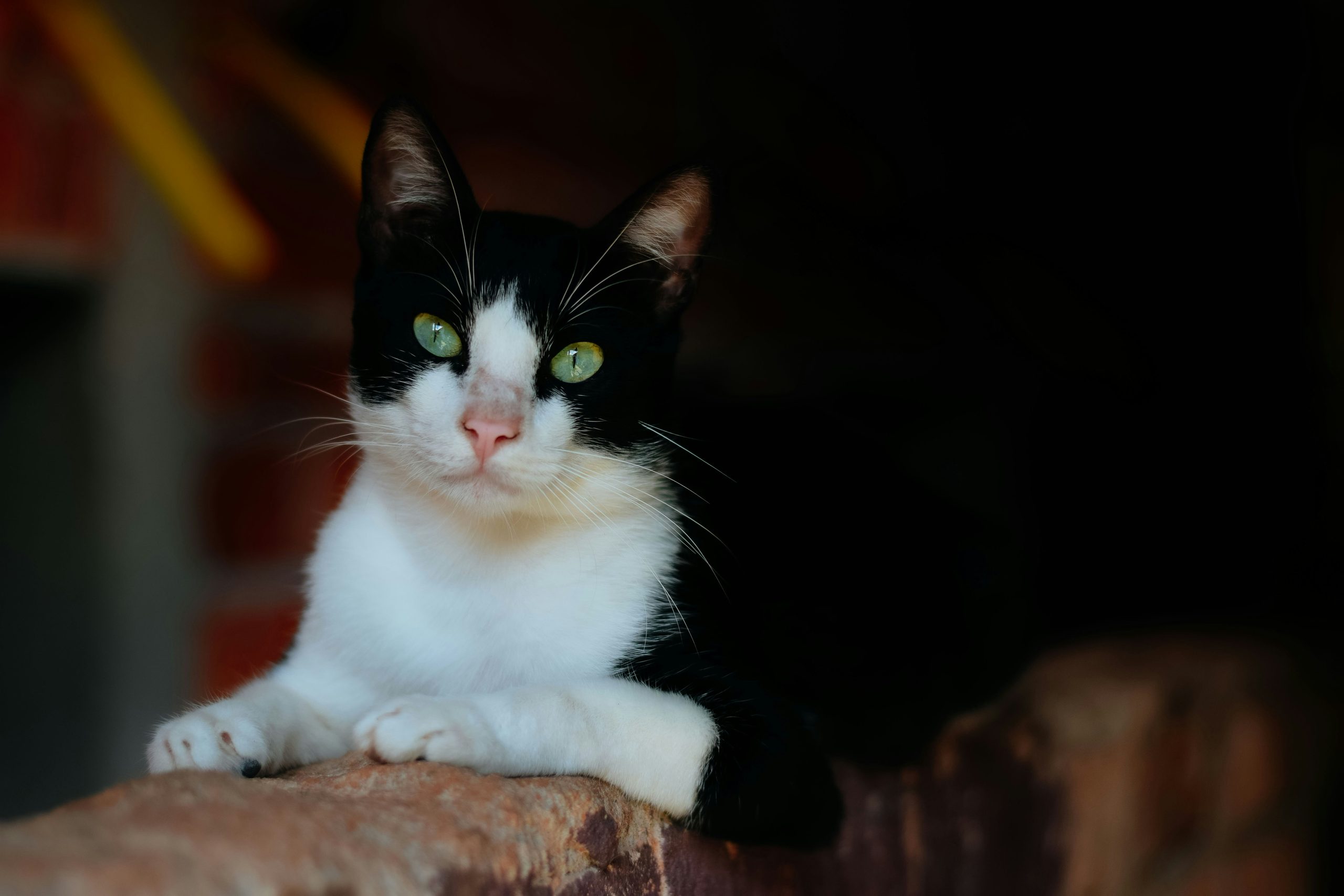

Brazil’s pet industry is being actively reshaped by families increasingly choosing cats.
The number of cats in Brazilian homes rose 4.5% in 2024, roughly double the global rate, according to a new study from the industry association Abempet released in September. Dogs still outnumber them, but cats are now the fastest-growing part of a market that is expected to earn about R$81 billion ($16.26 billion USD) this year.
That trend matches what one of the pet industry’s best-known accelerators is looking for. Leap Venture Studio, backed by Mars Petcare, TAW Ventures and Michelson Found Animals, is accepting applications for its eleventh cohort until October 18.
This round, it wants science-backed startups working on feline-first care, senior pets, dental health and allergies.
For Brazilian founders, the fit is clear, and the deadline is coming up soon.
A market of 166 million pets
Brazil has the world’s third-largest pet population, behind only the U.S. and China; Abempet puts it at 166.8 million animals, with nearly half living in the Southeast.
Sales are also rising. The sector earned R$77.96 billion ($15.65 billion USD) in 2025, and Abempet expects growth of about 4% this year.
Much of the recent activity comes from small businesses. According to the Brazilian micro and small business support service, Sebrae, using federal tax data, the number of small companies serving pet owners grew 22% between 2023 and 2025. Analysts link part of that growth to cats and report steady demand for functional food, preventive health products and premium items for felines.
The reason is mostly practical: city apartments are getting smaller, more people live alone, and a cat is easier to care for than a dog on a busy schedule.
The money hasn’t caught up
Despite its size, Brazil’s pet market attracts very little venture capital. Startup tracker Tracxn counts 140 pet tech companies in Brazil, but only nine have raised funding.
Together they have raised about $16.7 million USD – small for a country with more pets than people in many of its states.
Owners are also under pressure. Industry groups say Brazil’s high tax burden is limiting the sector’s growth, and pet food sales grew only 1.8% in the first half of 2026.
When household budgets are tight, preventive care starts to look like a way to save money.
“A smart world for pets looks like one that doesn’t require families to choose between the care their animal needs and what they can actually afford. We’re committing to scaling that kind of impact and look forward to meeting the founders bringing it to life,” said Phillip Kim, executive director at Michelson Philanthropies.
What to do next
Leap’s partners are also clear that good ideas need evidence behind them. Euromonitor’s latest pet care trends report, published last week, finds that owners around the world are becoming more skeptical of health claims and want proof.
It also expects cat food to capture a disproportionate share of future growth.
“We’re especially looking for startups using science-backed approaches to extend pet healthspan and improve quality of life,” said Rachel Sheppard, director of ventures at Mars Petcare.
Jane Lauder, founder and managing director at TAW Ventures, added that a great product is only the first step. She said she’s looking for founders who also think about building consumer trust and real differentiation over time.
Leap’s 12-week program is hybrid, so founders in São Paulo, Recife or Porto Alegre can take part without relocating. Selected startups get mentors, entrepreneurs-in-residence, operational help and brand and marketing support, while also gaining access to experts and investors from all three partners.
Cohort 10 drew more than 300 applications from over 40 countries. In response, Leap is returning to a Spring schedule, and Cohort 11 starts on March 30, 2027.
The accelerator has backed 63 companies across 10 cohorts in 17 markets so far.
Social enterprises have their own route in as well. One Impact Seat is reserved for a company judged mainly on its positive impact on the pet care ecosystem, and non-profits can apply. Past holders include myBalto Foundation, BestyBnB and Petcademy.
Brazil Reports covered Leap’s call for Latin American founders during the last round. This time, the program is looking for the kind of cat-focused, preventive businesses Brazil is producing in growing numbers.
The final virtual information session is set for October 7, from 5:00 to 6:00 PM Brasília time. Applications for Cohort 11 and the Impact Seat close on October 18 at 11:59 PM PT.
Featured image: Bruno Souza via Unsplash+