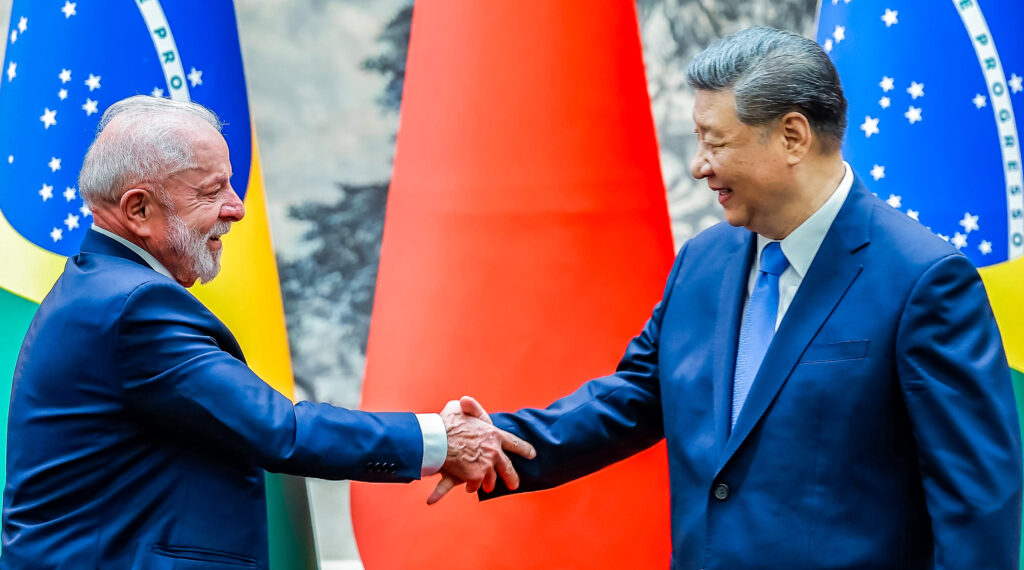

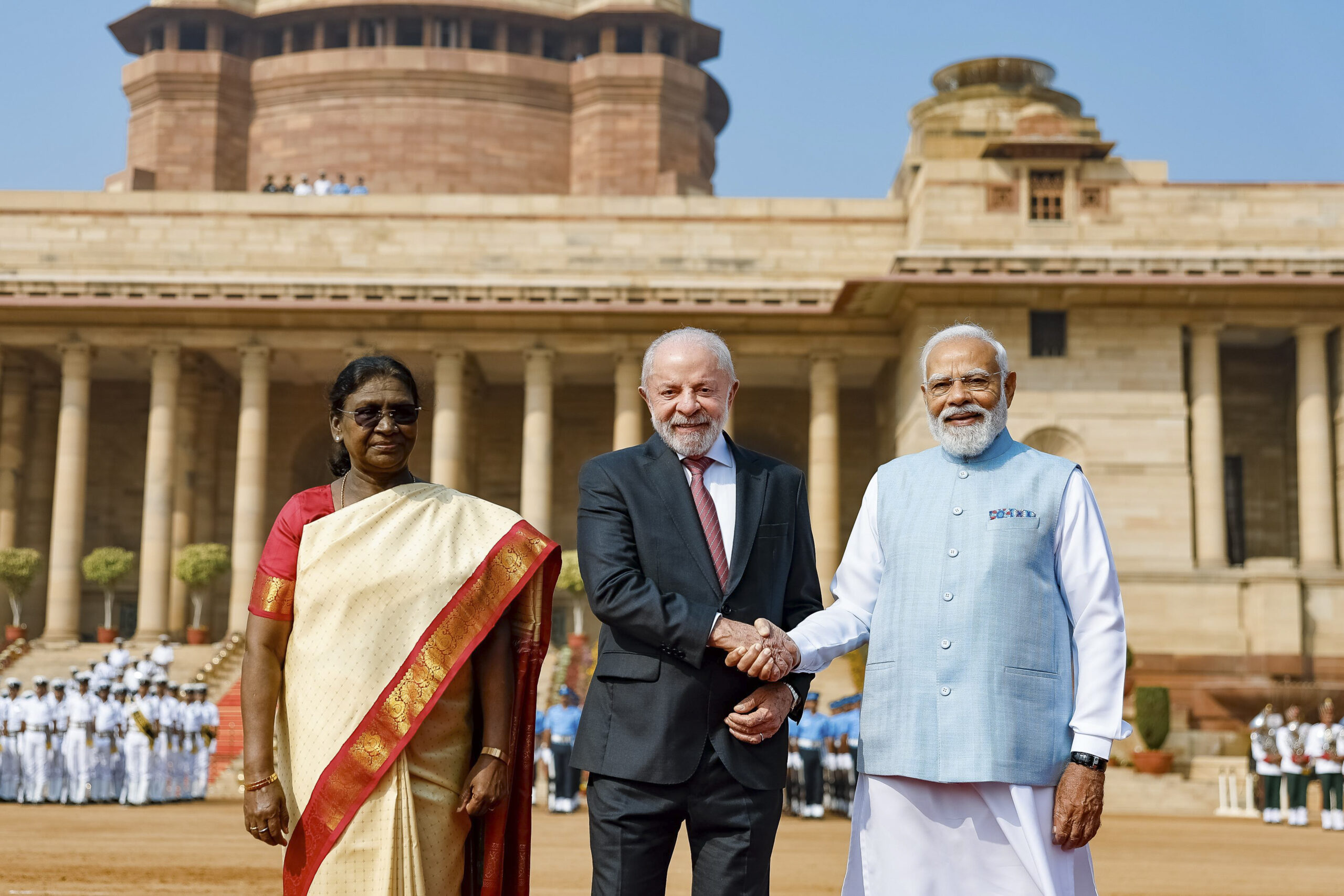
São Paulo, Brazil — Brazilian President Luiz Inácio Lula da Silva and Indian Prime Minister Narendra Modi signed a bilateral agreement last Saturday involving critical minerals and rare earth elements.
The objective is to promote “reciprocal investments” in the exploration, mining, and development of infrastructure for rare earth elements (REEs) and critical minerals in both countries, according to the signed document.
The agreement comes amid a global race to secure access to materials vital to producing smartphones, high-tech weaponry, and renewable energy technology.
The deal comes as India seeks to reduce its dependence on China for these materials while expanding its domestic semiconductor production. Meanwhile, Brazil has currently the second-largest known REE repositories in the world, after China.
The deal also focuses on cooperation in geological survey projects to identify areas with the greatest deposits of critical minerals like lithium, nickel, cobalt, and others. It also notes that the two countries expect to increase the exchange of information between their respective scientific communities.
Data published in August 2025 by the Brazilian Geological Survey and collected by the United States Geological Survey (USGS) indicate that Brazil owns the second largest reserve of rare earth minerals in the world, with approximately 21 million tons, while the largest stores are in China.
Rare earth elements are a chemical subset composed of seventeen elements. They exist in large quantities worldwide and, despite the name, are not rare, but concentrated in specific locations, which stimulates geopolitical concentration around this mineral and technological commodity.
According to a statement from the Brazilian government, both countries finalized a total of 11 trade agreements during the visit.
In addition to rare earth elements, agreements were reached in the field of education, health, postal services, technology, and entrepreneurship.
The joint statement released by the two governments also included mentions of the regulation of artificial intelligence, such as the “equitable distribution of the benefits of AI and access to critical resources for the development of AI solutions.”
Lula was invited by Modi to attend the AI Impact Summit, held in New Delhi between February 19 and 21.
The statement signed by the governments of Lula and Modi says that “the leaders encouraged both sides to collaborate” on the adoption, development, and implementation of AI, which includes regulatory frameworks for data protection, through the engagement of the ecosystems and centers of excellence of both countries.
Featured image: President Luiz Inácio Lula da Silva during an official welcoming ceremony at the Presidential Palace (Rashtrapati Bhavan) with the Prime Minister of the Republic of India, Narendra Modi, and the President of the Republic of India, Ms. Droupadi Murmu. New Delhi — India. Photo: Ricardo Stuckert / PR