
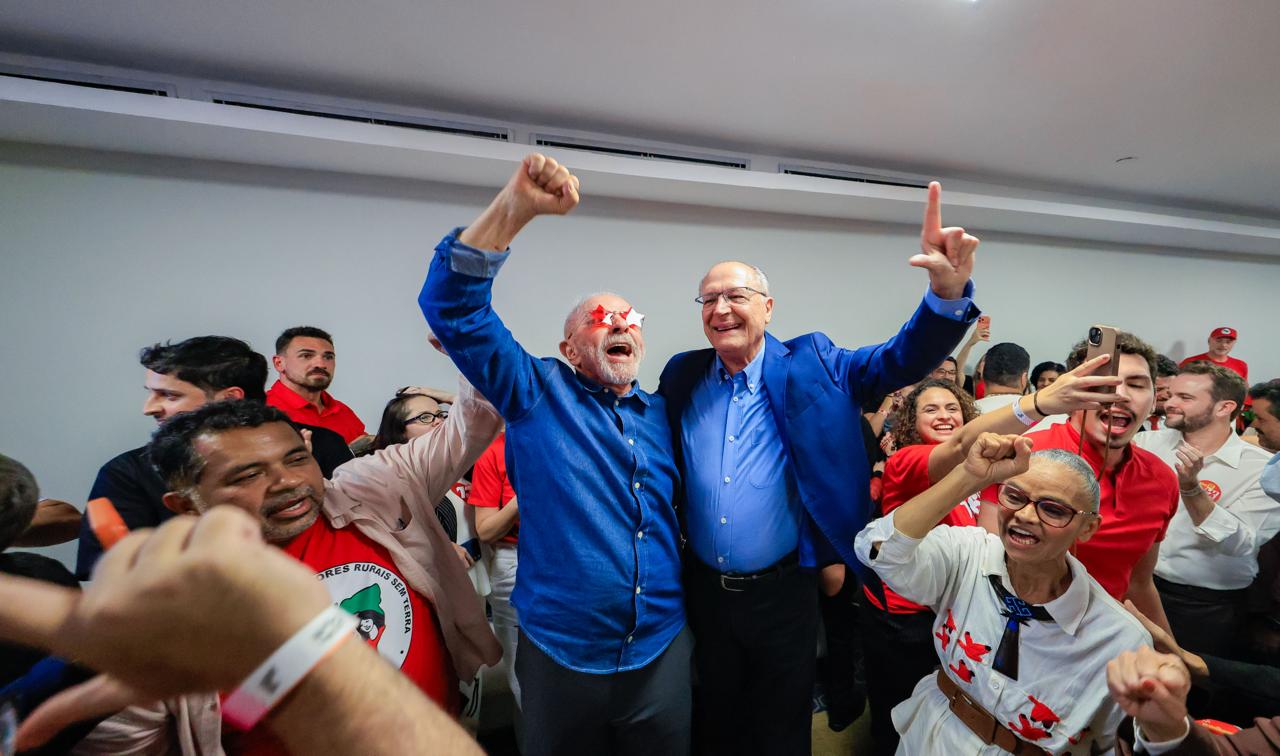
Buenos Aires, Argentina – Not only did Luiz Inácio Lula da Silva defy the odds to win Brazil’s presidential election on October 25, he bucked a trend of anti-incumbency that has swept Latin America in recent years.
Despite trailing Flavio Bolsonaro by over two million votes in the October 4 first round, Lula won by a margin of 4.4 million ballots on Sunday after increasing his total by 10.4 million votes in a matter of three weeks.
The result marks the first time a presidential candidate has overturned a first-round defeat since Brazil’s return to democracy in 1989, marking a massive feat that analysts put down to three things: a digital strategy that broke the right’s grip on WhatsApp, a return to the streets that pulled disengaged voters back to the polls, and a string of unforced errors by his rival.
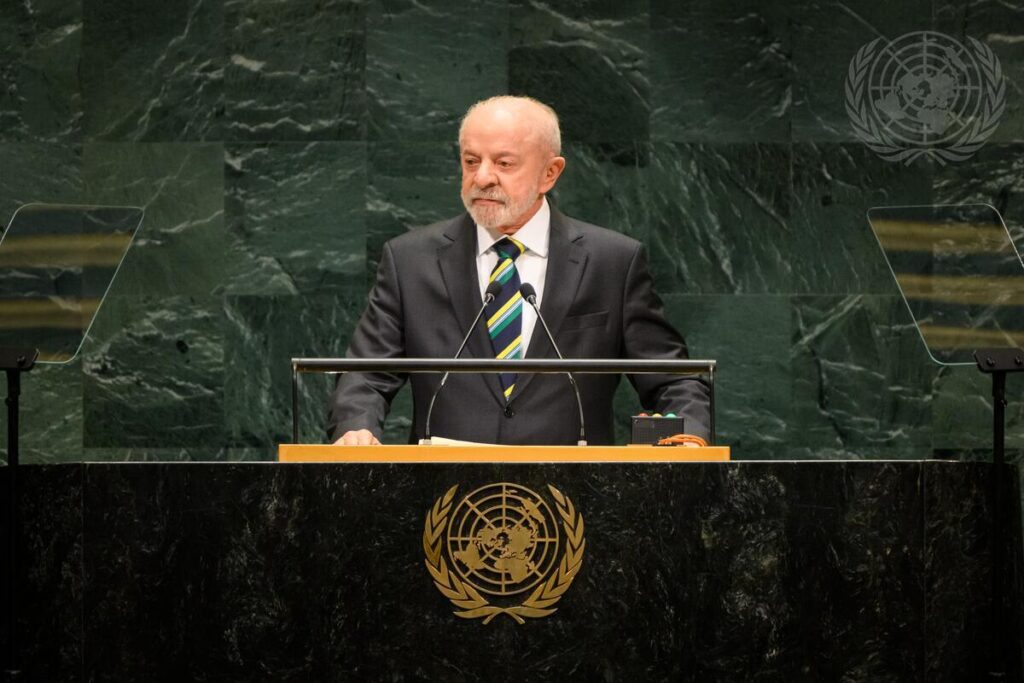
“I take great pride. First because I am the only president of the nation who is a metalworker, who has no university degree and who was democratically elected four times,” 81-year-old Lula said after his victory.
To get there, Lula needed more than the loyalty of his historic electoral base, anchored in the Workers’ Party (PT) candidate’s native Northeast.
His triumph was the product of a campaign that shifted gears under his “digital architect,” André Janones.
Where Lula’s 10 million votes came from
“I’m very good at the mata-mata,” Lula said on the night he lost the first round to Flávio Bolsonaro. The phrase was a nod to the head-to-head showdown, as the knockout stage is known in Brazil.
In the same speech, he laid out his runoff bet: he admitted he had been “convinced” he would win outright, called on the more than 20 million Brazilians who had stayed home to vote, and put his social programs at the center of the pitch, from extending the Pé-de-Meia school-retention stipend to every high school student to strengthening the Farmácia Popular subsidized medicine program.
The people who didn’t attend the polls in the first round were the key to Lula’s triumph. Abstention fell from 21.08% to 19.2% between October 4 and October 25, meaning roughly 3 million more Brazilians voted in the runoff. According to Brazil’s Superior Electoral Court (TSE), it was the lowest abstention rate in a presidential race since 2006, and the sharpest drop between rounds since 1989.
Official results do not show how many of the new voters chose each candidate, but abstention fell in eight out of ten Brazilian cities, and the runoff brought “almost 5 million new votes” to the ballot box, according to Felipe Nunes, director of pollster Quaest.
“Those who had stayed home in the first round were younger, poorer and more favorable to Lula,” Nunes wrote in an analysis published after the vote, describing an “unprecedented and extraordinary mobilization” that his own polls failed to anticipate.
According to the last Datafolha poll previous to the elections, Lula led among women, Catholics, lower-income and Black voters, while Flávio led among men and had overwhelming majority support among evangelical voters. The northeast – the PT’s historic stronghold – boosted Lula, while Bolsonaro’s Liberal Party (PL) kept a strong base in the south and center-west.
Lula’s army vs. Flávio’s mistakes
The campaign also gained volume with André Janones, who pushed the “Exército do Lula” (“Lula’s Army”), a WhatsApp channel that jumped from around 50,000 followers before the first round to more than 10 million on the eve of the runoff.
The strategy relied on posts, audio messages and “missions” that Janones sent to the channel: coordinated tasks to share content and recruit new contacts.
Flávio’s campaign tried to stop it: on October 11, the electoral court briefly suspended the channel at the right-wing party’s request. “Censorship has already begun,” Janones said in response. The digital movement kept growing anyway.
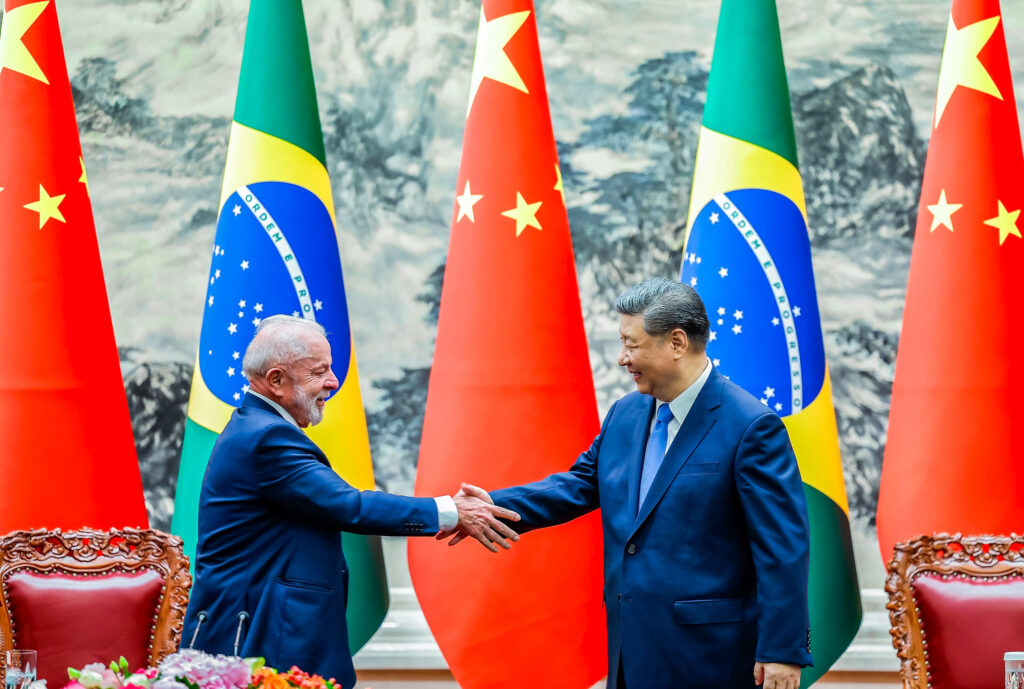
“I doubt that Russia, China or the United States have an army as victorious as the one of this country’s democracy,” Lula said on election night, referring to the work of his supporters in the digital arena, dominated by Bolsonaro supporters during the first round.
The push went beyond WhatsApp: fan pages for Taylor Swift, Beyoncé and BTS offered their accounts to reach young voters, while volunteer groups organized on Telegram to flip votes face to face.
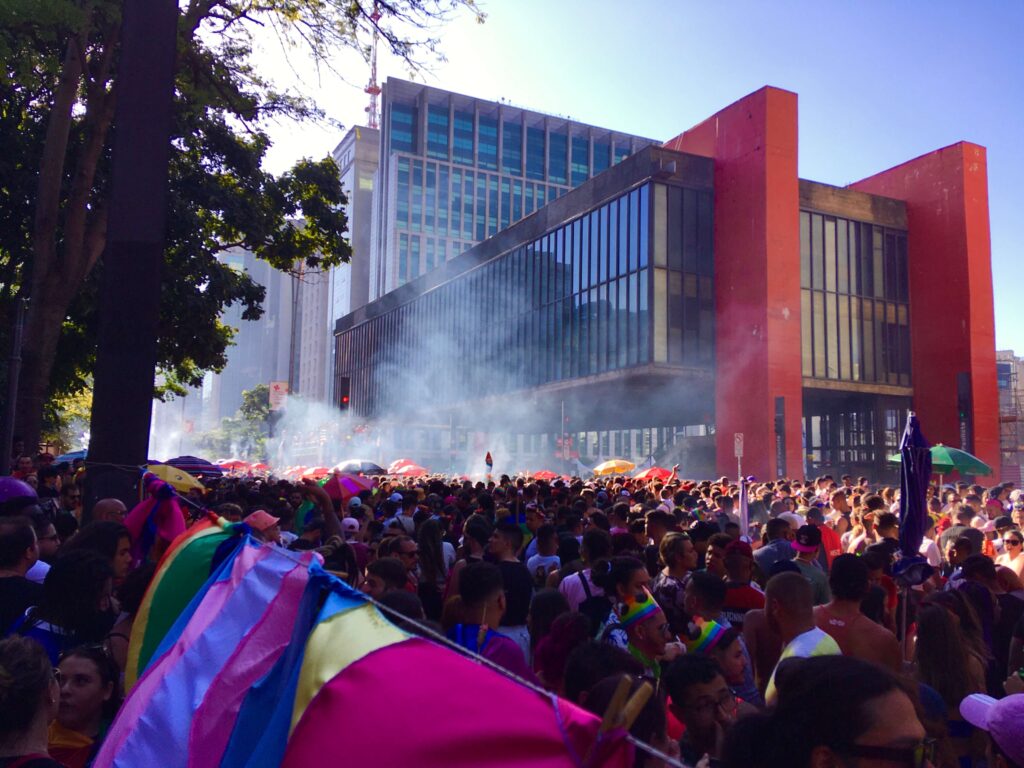
But the shift in the campaign also had a back-to-the-street phase. On October 18, a week before the vote, supporters rallied in Rio, São Paulo, Brasília, Salvador and other cities, with Caetano Veloso, Chico Buarque and Gilberto Gil on stage.
On the other side, Flávio ran as if he had already won. His worst moment came in the final TV Globo debate, two days before the vote. “A R$1,600 minimum wage is no use if you give with one hand and take away with the nine fingers,” Flávio said, mocking the finger Lula lost in a factory accident. “If anyone knows what the world of work is, it’s me. If anyone lost a finger at 17, it was me,” Lula shot back, demanding an apology. Flávio gave it on air.
Dolores Gandulfo, a specialist in voting processes in Latin America at the Mercosur Parliament (Parlasur), explained that the difference between the candidates lay in how each of them arrived at the decisive vote.
“Lula ran a better campaign for the second round than [Flávio] Bolsonaro, who did not make major changes compared to the first round,” she told Brazil Reports.
Gandulfo explained that the president showed an upward curve, while his rival stayed around the share he won in the first round. This tendency was also seen in Minas Gerais, a key swing state that turned out to be decisive: it flipped (50.4% to 49.5%), fulfilling the unwritten rule that whoever wins Minas wins the runoff.
A blemish on the anti-incumbent wave
Lula’s victory represents a challenge to prevailing political winds in Latin America, a region that has seen a string of defeats for sitting governments and the rise of conservative and right-wing candidates who capitalized on economic discontent, insecurity and rejection of political elites in recent years.
The Brazilian president’s win interrupts that sequence, though it does not prove the trend has reversed, according to Ignacio Labaqui, political analyst specialized in Latin American politics at the Argentine Catholic University. “The anti-incumbent wave eases, but it does not disappear because of one election,” he told Brazil Reports.
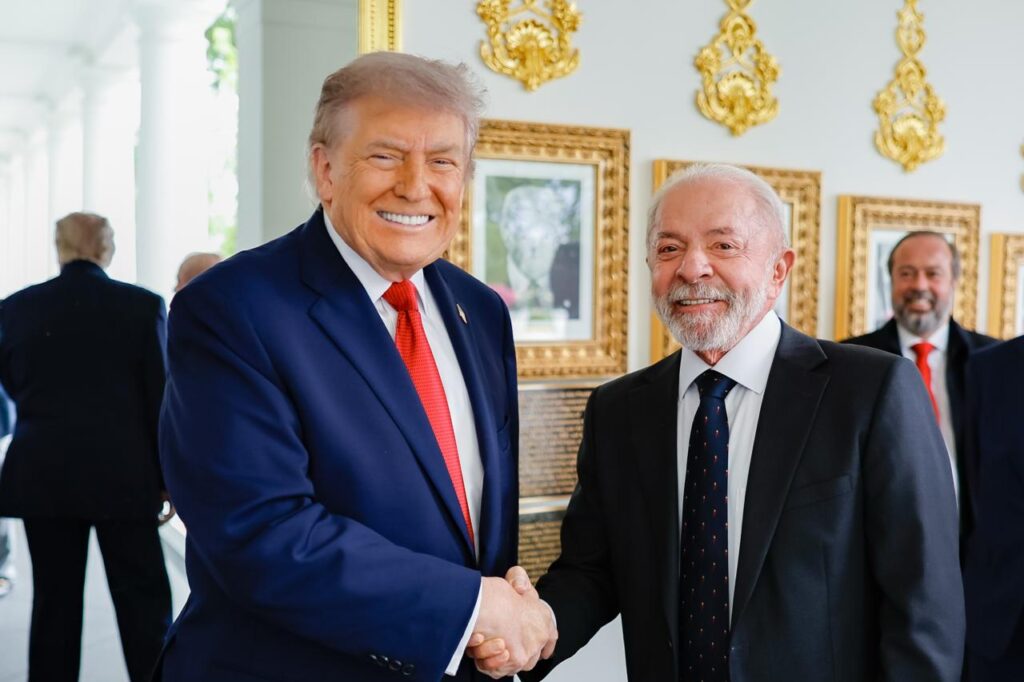
Labaqui recalled that the peak of the trend came between 2018 and 2023, with 16 consecutive incumbent defeats. He also noted that Lula’s victory breaks the winning streak of the so-called “regional right” and forces a rethink of the idea of a consolidated “blue wave,” the conservative governments across the region with a strong bond with Donald Trump’s administration.
The Brazilian left is already trying to export the recipe. “We came to talk a bit about President Lula’s example. To try to bring some of these techniques,” Janones told reporters in Buenos Aires, after meeting Kirchner and Sergio Massa, two of the names in play for Peronism ahead of Argentina’s 2027 election.
“Brazil doesn’t fit in anyone’s backyard,” Lula said in his victory speech, in a line that read as a message to Washington and to his ideological opponents in the region. “Now, I have no more adversaries. I will serve 215 million Brazilians,” he concluded, aware that governability will be key heading into 2031, when he will end his fourth term at 85.
Featured image description: Lula celebrates victory.
Featured image credit: Ricardo Stuckert via @LulaOficial on X.