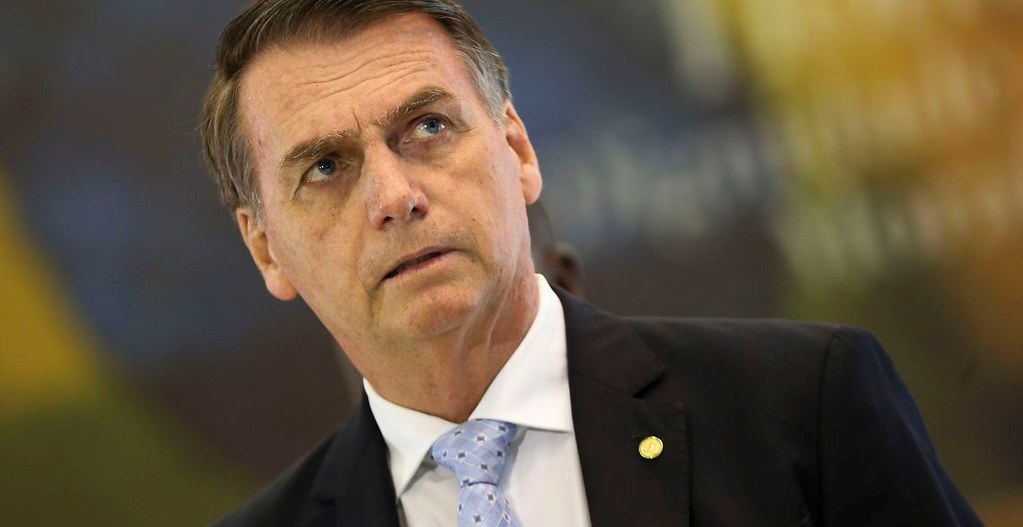



The Brazilian real soared as much as 5% while Brazil’s benchmark Ibovespa stock index rallied 7% in response to right-wing candidate Flavio Bolsonaro’s lead in the first-round of presidential elections.
The markets’ reaction signals enthusiasm over the fiscal austerity and de-regulation commitments made throughout Bolsonaro’s campaign, as well as the sweeping success of his Partido Liberal (PL) in concurrent legislative elections.
PL candidates won 19 of 54 contested seats in the Senate and 121 of 513 seats in the Chamber of Deputies, creating the largest bloc in both houses and seemingly paving the way for the fiscal adjustment reform investors want.
Brazil is currently running an alarming nominal budget deficit, which includes interest payments on the country’s debt, of 10% of GDP. Gross general government debt stands at 82.5% (BCB).
But Monica De Bolle, Senior Fellow at the Peterson Institute for International Economics in Washington, D.C., says the markets may be overly hopeful that a right-wing government could slash spending.
“No fiscal adjustment is going to happen,” she told Brazil Reports. “The PL is a newbie in holding political power in Brazil, so it’s going to need to spend to remain in power.”
The 28 seats the PL will hold in the Senate represent the second-largest party bench since Brazil’s redemocratization in 1985, while its new majority in the lower house makes it the biggest by a single party since 1990. The Centrão, the loose bloc of nominally centrist parties which typically decides whether any president can govern, will no longer be the dominant congressional bloc when the new Congress takes over in February 2027.
“There are PL sympathizers within the Centrão, it has been eaten from the inside,” De Bolle said. “It will no longer act as a political buffer.”
Both Bolsonaro and his leading rival, incumbent president Luiz Inácio Lula da Silva, have refrained from presenting clear policy targets to address the country’s fiscal and monetary issues.
Bolsonaro’s manifesto includes a spending rule for all three branches of government, as well as a core fiscal anchor tied to a specific debt-to-GDP threshold. However, the spending rule only covers discretionary spending – some 10% of the federal budget – and mentions no primary surplus target, debt-ratio goal, or specified timeline.
Lula aims to keep Brazil’s 2023 fiscal framework with no revisions. It maintains controlling spending growth while protecting and expanding social programs, yet does not mention quantified fiscal targets.
Markets may have already expressed their preferred candidate in the lead-up to the second-round run-off on October 25th, but new announcements may yet tilt the playing field.
For De Bolle, “the composition of their respective economic teams could give either candidate an edge.”
Featured image description: Brazilian Real bank notes.
Featured image credit: Ariadne ariadnerb via Public Domain Pictures.